
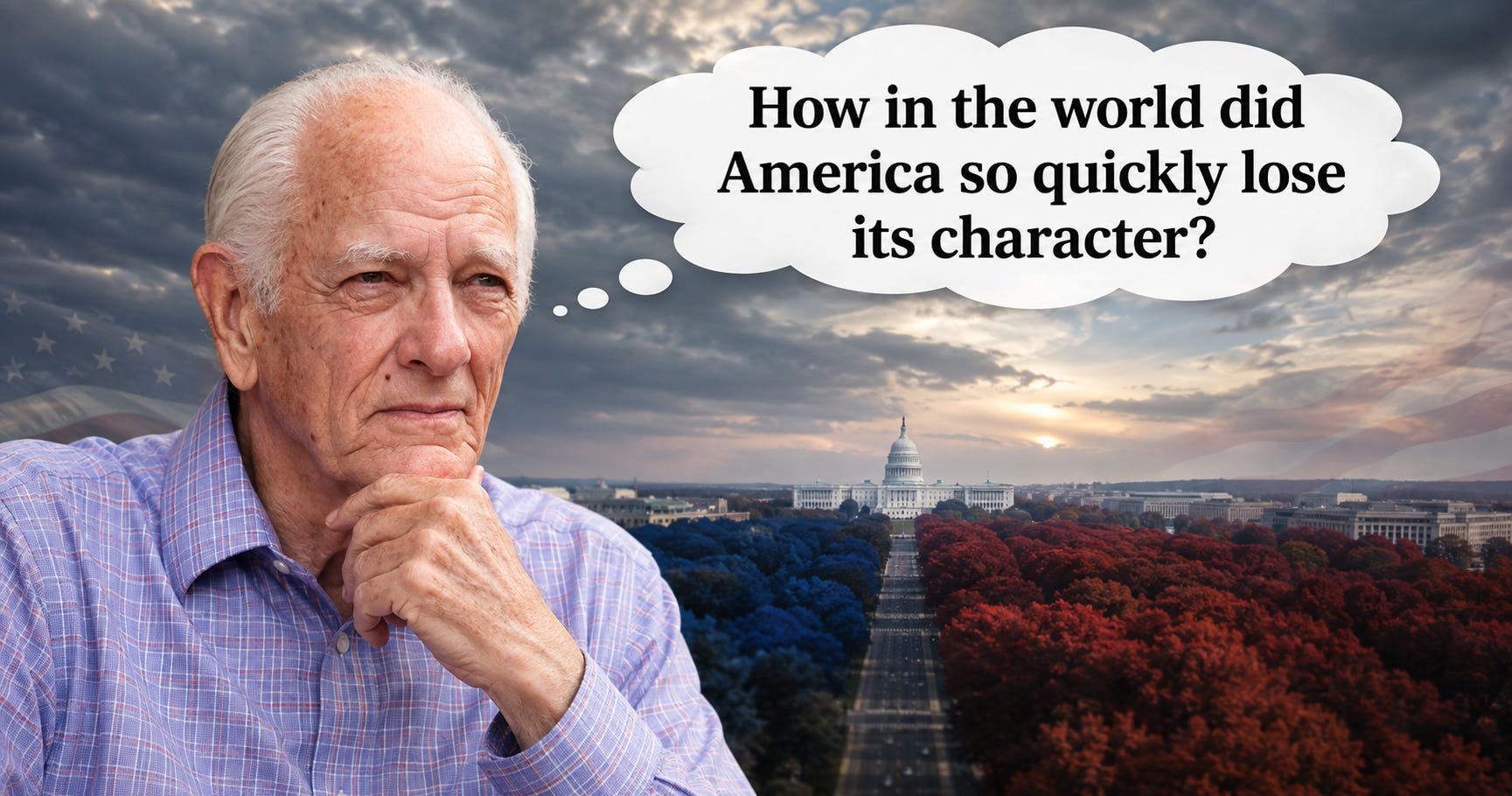
A ‘pathocracy’ is is defined as when a democracy is taken over by psychopaths. So, it makes sense to define the term. Experts tell us (and, of course, we must always turn to ‘experts’) that psychopaths come in four flavors:
Flavor one (vanilla) includes a need for control;
a grandiose sense of self;
pathological inner response to challenge;
vengefulness; and
refusal to compromise.
Flavor two (chocolate) includes being predatory or exploitative;
sadistic and cruel;
having a low regard for laws, agreements, social and moral codes;
no boundaries in sexual relationships; and
unreasonable expectations of others.
Flavor three (dark chocolate) relates to the truth: Dark Personalities cultivate a façade of normality;
they are chameleon-like;
dishonest; devious and manipulative; and
unwilling to accept responsibility for the negative impacts they cause.
Finally, flavor four (very dark chocolate) is around the Dark Personality’s own interior life:
their emotions are acted and they do not experience affinity or the joy that comes with it;
they are callous and devoid of empathy;
unremorseful;
self-interested; and brazen.
It’s not exactly Baskin Robbins 35 flavors, but it doesn’t require a professional psychiatric diagnosis to name the offenders, either. We citizens know who they are by simply judging them against the flavors listed above.
It’s not brain surgery, not by a long shot.
And, of course, it’s not proper to hang that psycho tag on a friend, relative, or business associate who tends toward one or two single-scoops of a flavor. We all share the commonality of imperfection. Some, like myself, may be extreme in our degrees of perfection, but your mileage may vary depending upon whether your fuel is democrat, republican, or independent.
A bit further down in the Guardian article, we learn this…
… The idea of a “pathocracy”, a democracy of normal people taken over by psychopaths, was conceived by an obscure Polish psychologist, Andrew Lobaczewski, who had lived under both the Nazis and then Soviet-era communists.
His ideas never landed, because “the psychology publishers thought it was too political, and the political publishers thought it was too psychological,” according to editor and blogger Harrison Koehli. It’s unfashionable to the point of being taboo in psychiatry and psychology now to ascribe personality disorders to public figures. “One of the perils of bringing psychology into politics is that it’s very easy for anyone with any given political perspective to look at their political enemies or rivals and say: ‘OK, well, they’re all psychopaths,’” says Koehli.
There’s also the Goldwater Rule, which established as a psychiatric principle that professionals are not allowed to diagnose public figures they haven’t had clinical contact with or met (this was after 1,189 psychiatrists declared Barry Goldwater unfit to be president in the 1964 election). Viding, however, finds the fixation with diagnosis perhaps irrelevant in this context.
“I always find the obsession with diagnosing these people interesting. You don’t need to diagnose them, there are a set of personality traits, and you can recognize individuals with those traits. If someone’s in political power, you can see those exemplified in behavior, and most people are perfectly capable of making an assessment of what that signifies.”
I agree. There is honest political debate upon individuals and parties that occur in a deliberative democratic society, and America once had those debates.
Franklin Roosevelt didn’t get all of his programs through during the Great Depression, but bipartisan debate in the congress agreed among themselves to weather the storm.
The Skokie Lagoons, a series of small lakes near where I lived in Evanston are an example. We had plenty of machinery capable of doing that work at the time. But they were dug with shovels and wheelbarrows by jobless men in Roosevelt’s Works Progress Administration (WPA), to keep families together and food on the table.
Yet we currently have an administration, headed by a president who is clearly off the rails.
I’m not an enemy of those who voted him into office, and understand the co-conspiratorial party politics of the last seventy years that destroyed their livelihood. It makes sense to me because I lived through it and watched it happen.
But the point has been made and enough is enough.
By even the most charitable reading of the Four Flavors listed above, Donald Trump’s national and international behavior shows, perhaps, the most extreme psychopathic behavior ever seen in public office. And he came by it naturally, in his business and private associations long before his election.
Score him as you will, by those listed Flavors.
Richard Nixon resigned from the presidency for far less offence to the office he held.
But those were times when the flavors of character, morals, and respect for the responsibilities public office demanded were better understood.
The Goldwater Rule established a principle (with which I disagree). It replaced the Truman Rule, one that (like the man) was easy to understand and had no moral equivocations.
The Buck Stops Here.
I've applied many "...cracies" to this administration, but not yet "pathocracy." Yet it seems just as apt as the others, if not more so. If I'm being optimistic, I consider us an idiocracy, but I'm not optimistic so much anymore.
I can't help but wonder when this "pathocracy" becomes a public health crisis. There is still a large number of people in support of the behavior of these "leaders".
From an outsider looking in perspective, it feels like a mass psychosis event.
We have been rewarding the flavors of this behavior for far too long, and it's resulted in validating the behavior of people in the general public who already had pathological tendencies. (Speaking from personal experience alone regarding people I care about in my life.)